From Melody to Orchestra: Playing It Every Way
Sketching the Backbone
Choosing Lead Voices Thoughtfully
Layering Percussion Without Chaos
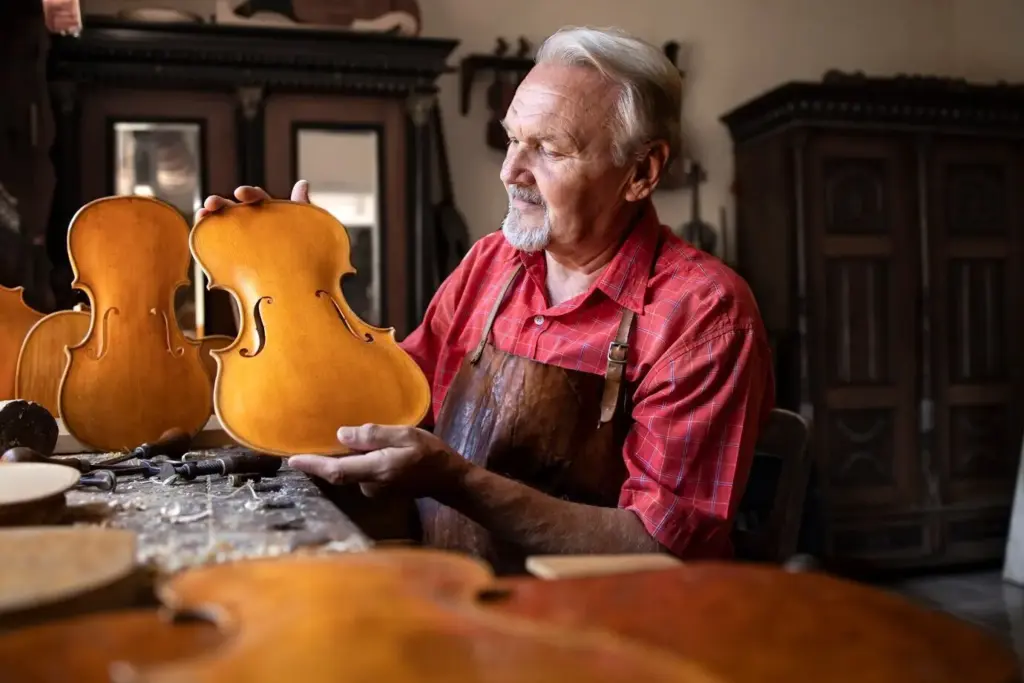
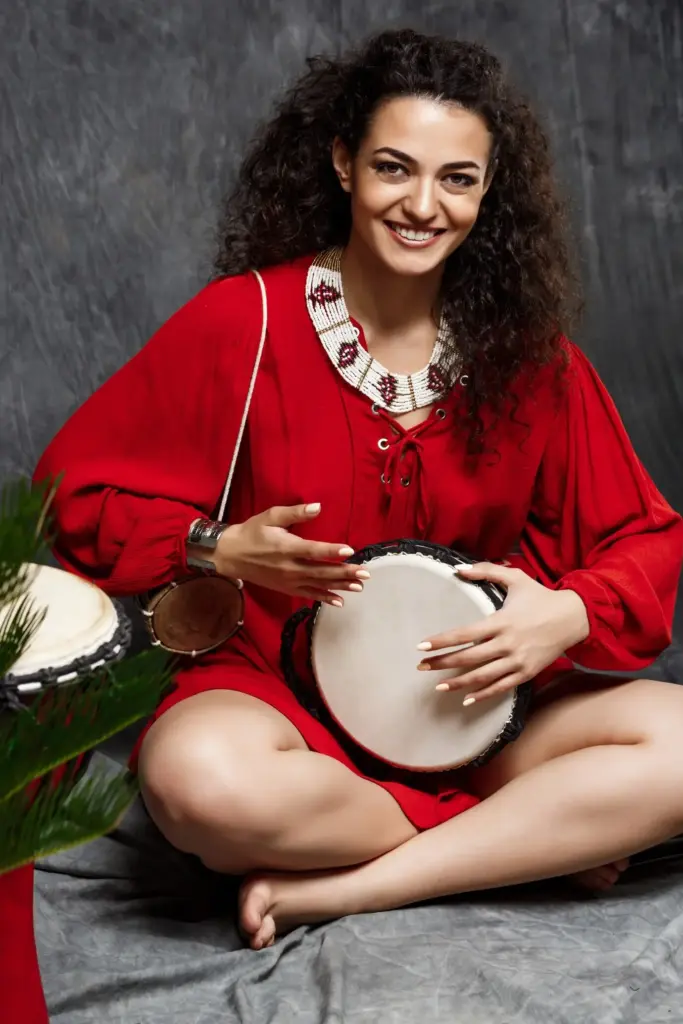
Pick one primary engine—kick pattern, cajón groove, or frame drum pulse—then add accents that play around, not on, its core beats. Contrast textures: brush swishes, shaker air, woodblock ticks, and light toms. Use complementary subdivisions, not identical ones, to avoid flam and smear. Arrange mutes and drops strategically, making rests as musical as hits. Record multiple takes with different energy levels, then comp the most conversational combination rather than the most crowded.
Translating Groove Across Instruments
A rhythm guitar pattern can migrate to piano left hand, marimba, or muted brass. Keep the accent blueprint but adapt voicing, sustain, and articulation to each instrument’s nature. Shortening notes can add urgency; longer ties create flow. Maintain the groove’s psychological center—where the body wants to move—while allowing local ornamentation. This preserves identity while showcasing timbral difference, making each section feel like a fresh dialect of the same irresistible language.
Tempo, Feel, and Human Microtiming
Identical BPMs can feel wildly different depending on swing, push, and drag. Give the bass slight behind-the-beat warmth while percussion leads with subtle urgency. Let comping instruments glue the middle with relaxed consistency. In dense arrangements, microtiming is your invisible conductor. Check transitions: a rushed fill can sabotage a carefully settled pocket. Embrace tiny imperfections that add personality, but automate or edit long sustains that drift, keeping the collective heartbeat steady.
Harmony and Voicing Across Instrument Families
Recording and Microphone Strategies
Carving Space with EQ and Arrangement
Dynamics, Transients, and Motion
Solo Loop Architectures
Small Ensemble Flexibility
Stories, Experiments, and Listener Invitations