
When Old Strings Meet New Circuits

We dive into “Period Instruments vs. Modern Gear: Historically Informed Versions of One Piece,” exploring how gut strings, natural horns, wooden flutes, and harpsichords converse with steel strings, valve brass, ribbon microphones, digital workstations, and precise editing to reshape a single composition with honesty, color, and immediacy—inviting you to listen closely and choose which path moves your heart more convincingly today.

Setting the Stage: What Historically Informed Means Today
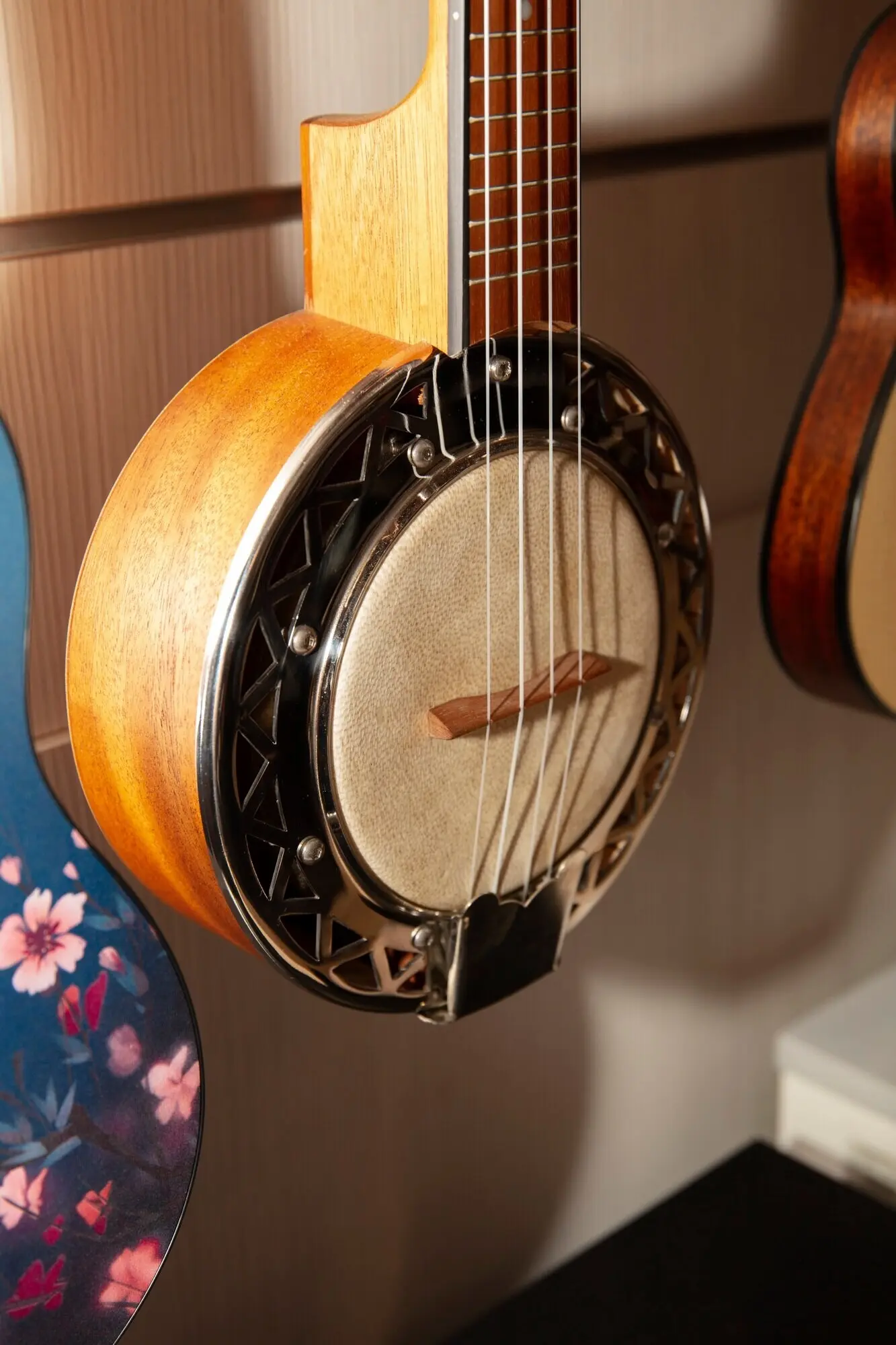
Historically informed practice is not a museum display; it is a living inquiry into phrasing, articulation, tuning, tempo, and space. For one carefully chosen piece, decisions about A=415 or A=440, temperament selection, ornament vocabulary, bowings, and acoustic environment become musical arguments that reveal different shades of character without demanding nostalgia or rejecting present-day clarity.

The Period Palette: Gut, Wood, and Air

Working with period instruments narrows certain technical options while opening expressive doors. Gut strings bloom and sigh, natural horns paint with noble imperfections, wooden flutes whisper color, and harpsichords reveal rhythmic backbone. For one composition, these materials coax intimacy and rhetoric, inviting listeners to lean in, decode gestures, and hear the composer’s dance with silence and resonance.

Strings: Gut and Shaped Bows

Gut strings favor speech over laser-line sustain, rewarding bow hair that releases, articulates, and courts resonance rather than brute force. Baroque bows pivot and spring, encouraging lively articulation and weighted downbows. On our chosen piece, suspensions sound tenderly human, and cadences breathe; technical limits become invitations to phrase with generosity instead of volume.

Winds and Brass Without Valves

Natural horns and baroque oboes embrace color changes across registers, using hand techniques and reed craft to bend timbre into meaning. Each note carries a trace of effort that reads as sincerity. On the same melodic arc, slight irregularities feel like expressive fingerprints, turning ornaments into winks and structural climaxes into surprisingly vulnerable declarations.

Keyboards: Harpsichord and Fortepiano

Harpsichord outlines rhythm and harmony with articulate sparkle, while fortepiano adds shading through early dynamic nuance and tactile attack. In the identical passage, rolled chords speak like lace rather than velvet. The lack of sustained pedal encourages clarity and nimble rhetoric, making counterpoint pop and harmonic surprises wink instead of thunder across the measure.

The Modern Arsenal: Precision, Power, and Post-Production
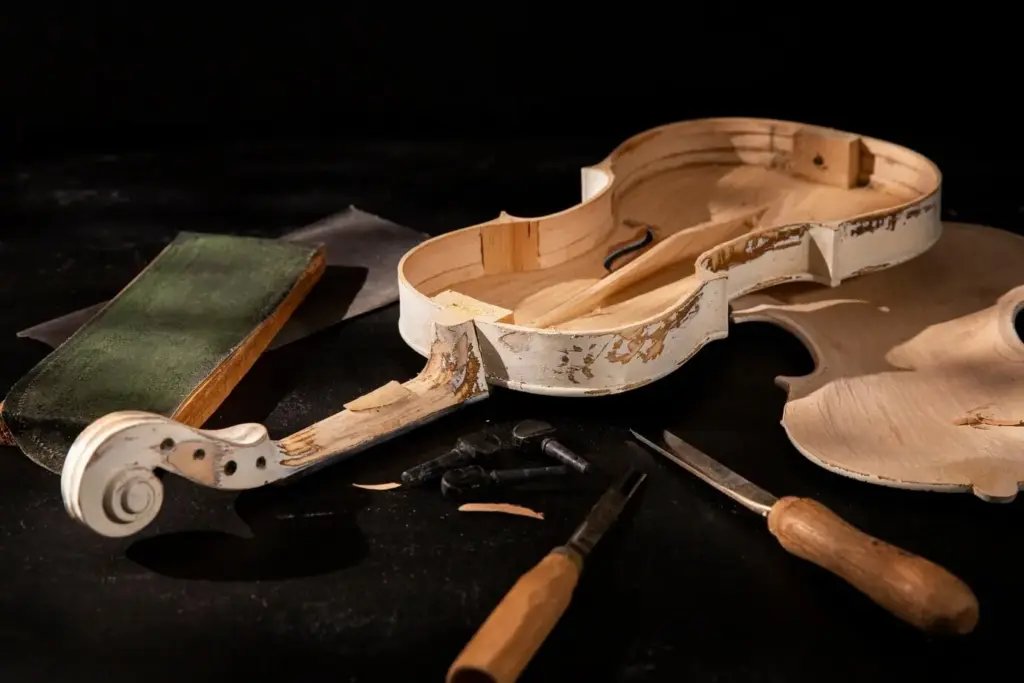
Contemporary instruments and recording tools empower control, projection, and repeatable polish. Steel strings focus tone, modern bows sustain lines, valve brass smooths agility, and concert grands shape thunder and tenderness. Paired with microphone choices, preamps, editing, and gentle tuning, one piece becomes cinematic without losing intimacy, inviting listeners who crave immediacy without sacrificing musical intelligence.

Microphones, Preamps, and Front-End Color
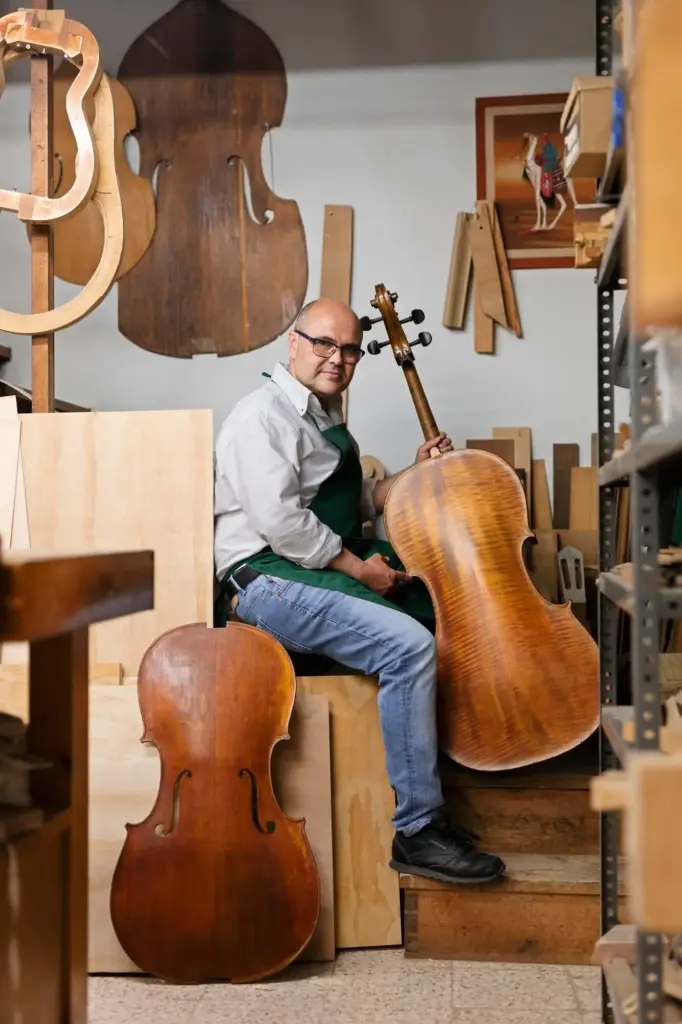
Large-diaphragm condensers illuminate detail, ribbons flatter edges, and transparent preamps preserve transients. Subtle proximity and stereo arrays sculpt depth without smearing articulation. On our single composition, a ribbon over cello can warm bow grit, while a spaced pair opens the ensemble picture—letting modern power breathe rather than bulldoze expressive nuance or historical intentions.

Editing, Tuning, and Dynamics with Restraint
Tasteful editing stitches takes without shaving personality. Light pitch correction guards harmonic integrity while keeping human life intact. Parallel compression can animate soft passages without crushing phrasing. The aim is not perfection but persuasion: to highlight intention. On identical bars, transparency in post-production enables narrative continuity that remains faithful to musical cause and effect.

Hybrid Setups and Playful Experiments

Period timbres through modern lenses can surprise: a gut-string violin captured with a tube chain, or harpsichord sweetened by a subtle room simulation. Conversely, a modern flute recorded at respectful distance acquires grace. Our piece becomes a laboratory where boundaries blur, proving curiosity can honor roots while welcoming listeners raised on contemporary sonics.

One Piece, Two Worlds: Designing Parallel Interpretations

To compare fairly, anchor both versions to shared musical intentions. Keep keys consistent, articulate tempo from written character, and let notation guide structure. Then grant each world its strengths: period gesture, modern sustain; soft edges, bold projection. With matched loudness and balanced rhetoric, differences become musical hypotheses rather than competing costumes or marketing tricks.

01

Score Preparation and Sources

Start with an urtext or reliable scholarly edition. Note variant ornaments, slurs, dynamics, and bass figures. Prepare a continuo realization tailored to the piece’s rhetoric. For the modern version, adopt compatible articulations and dynamics. This groundwork ensures both renderings argue from the same evidence, revealing interpretation rather than editorial disparity as the primary differentiator.

02

Ensemble Logistics and Rehearsal Flow

Seat players to support conversation: period setup might cluster continuo for eye contact, while modern layout optimizes conductor sightlines. Decide on click use sparingly, favoring shared breathing. Rehearse diction of motives, not metronomic precision. The piece benefits when structure and spontaneity coexist, making both outcomes feel born of intention instead of convenience.

03

Fair Listening Tests and Level Matching

Normalize loudness to comparable LUFS, avoid peak-chasing, and let dynamics speak. Use brief, aligned excerpts for A/B comparisons, then invite full-journey listening. Encourage blind tests to reduce bias, share track notes responsibly, and solicit listener reflections. The goal is honest perception, not winning, helping nuance and sincerity triumph over raw volume or novelty.

Emotion, Narrative, and Listener Perception

Anecdote: The Church Balcony Session

Recording in a stone nave, the piece’s soft suspensions lingered like shared sighs. A listener wrote that the natural horn’s imperfect ascent made the cadence feel human, not heroic. That stumble’s grace unlocked tears, not because it failed, but because it told the truth about effort, mortality, and the promise contained in patiently resolved dissonance.

Anecdote: The Neon Studio Take

In the late-night studio version, steel strings and a focused stereo image revealed tiny counter-melodies we had missed in the nave. A listener felt steadied, like city lights through rain—clarity without sterility. The same cadence landed as resolve, not surrender, confirming how proximity, brightness, and articulation can flip the emotional magnet of familiar notes.

What Our Ears Remember and Misremember

First impressions bind tightly; the initial version you hear may define normal. Headphones, earbuds, and rooms color judgment. Cognitive biases amplify preference for loudness, brightness, or novelty. Slowing down, level-matching, and revisiting after rest reveal surprising reversals. Emotion deepens when we recognize how perception drifts, inviting curiosity rather than certainty about what moves us.

Practical Guide: Try It Yourself

You can build two compelling readings of one piece with modest resources. Borrow, rent, or sample period colors; employ careful mic placement and restraint in post. Document intentions, keep rehearsal notes, and ask friends to listen blindly. Curiosity, not budget, makes the difference—letting honesty, craft, and shared listening shape every interpretive decision you capture.

Beyond the Binary: Hybrids and Future Directions

The most exciting frontier blends reverent research with fearless craft. Hybrid ensembles, historically inspired instruments built with modern stability, and immersive acoustic modeling expand choices. For one piece, crossing boundaries reveals intention more clearly. This is not compromise; it is precision about purpose and audience, meeting ears shaped by centuries rather than any single decade.

Cross-Training Musicianship

Modern players gain agility by studying baroque bow holds, ornament tables, and source treatises; period specialists benefit from contemporary breath control, projection, and studio literacy. On our shared piece, that mutual fluency lets gestures translate across contexts, keeping rhetoric intact while adjusting color, length, and emphasis to serve room, repertoire, and listeners without apology.

Technology for Authentic Spaces

Convolution reverbs, impulse responses of historic halls, and early-reflection modeling let you audition acoustics before committing. Similarly, gentle tape emulations suggest analog ease without blur. The same phrase tested through different spaces can teach phrasing choices, mic distance, and ensemble balance, reducing guesswork and turning room selection into a musical decision rather than logistics.

Archival Care, Respect, and Imagination

Looking back demands humility. Cite sources, credit builders and scholars, and avoid caricature. Looking forward demands play. Use history as a compass, not a cage, and present both versions with dignity. When curiosity, respect, and craft align, one small piece becomes a generous mirror—reflecting both yesterday’s wisdom and today’s ears with kindness and clarity.

Zerunovaxilmepio
Privacy Overview

This website uses cookies so that we can provide you with the best user experience possible. Cookie information is stored in your browser and performs functions such as recognising you when you return to our website and helping our team to understand which sections of the website you find most interesting and useful.