
A Classic Reborn Across Continents
Today we dive into “World Instruments Reimagining a Classic Melody,” taking the beloved Greensleeves on a respectful journey across cultures. We will pair kora, shakuhachi, oud, tabla, and more, exploring arrangement choices, emotional arcs, and collaboration with tradition bearers, so this familiar tune breathes new life without losing its timeless heart. Expect practical insights, human stories from rehearsal rooms and street corners, and invitations to experiment, share, and listen deeply as we connect musicians and listeners through a melody that has wandered for centuries.
Choosing a Melody Worth Traveling the World
Selecting Greensleeves invites modal colors, gentle melancholy, and spacious phrasing that welcome new timbres without crowding them. Its durability across centuries proves it can carry new rhythms and ornamentations. We begin by honoring historical contours, then trace the emotional line that must remain unmistakable. Like a lighthouse in changing weather, the central motif guides us while the arrangement explores distant shores, ensuring curiosity never overwhelms clarity. This balance lets listeners recognize an old friend even as the conversation turns surprising, intimate, and freshly illuminated.

Coloring the Air: Timbres from Many Homelands
The arrangement thrives when each instrument contributes identity, not novelty. Instead of stacking sounds recklessly, we curate conversations: bamboo flutes exhale, gut strings reply, skin drums hush and bloom. Our Lisbon street session offered a lesson—an oud traded phrases with a Portuguese guitar until birdsong joined, proving timbre is a place you can stand in, not just a tone. We aim for textures that convey warmth, distance, and breath, letting intimacy and space carry cultural respect and wonder.
Rhythm Journeys: From Lute Ballad to Global Groove
Greensleeves carries a gentle sway, yet rhythm can reveal secret rooms in its architecture. We begin with a heartbeat frame drum, invite tabla dialogue, and occasionally lift into a restrained Afro-Latin undercurrent before returning to stillness. Each rhythmic layer is assessed by asking whether the melody breathes easier or gasps for space. Percussion becomes a guide, not a spotlight. When groove rises, harmonic motion thins; when rhythm retreats, counterlines blossom. This ebb and flow keeps the piece traveling without losing its center.
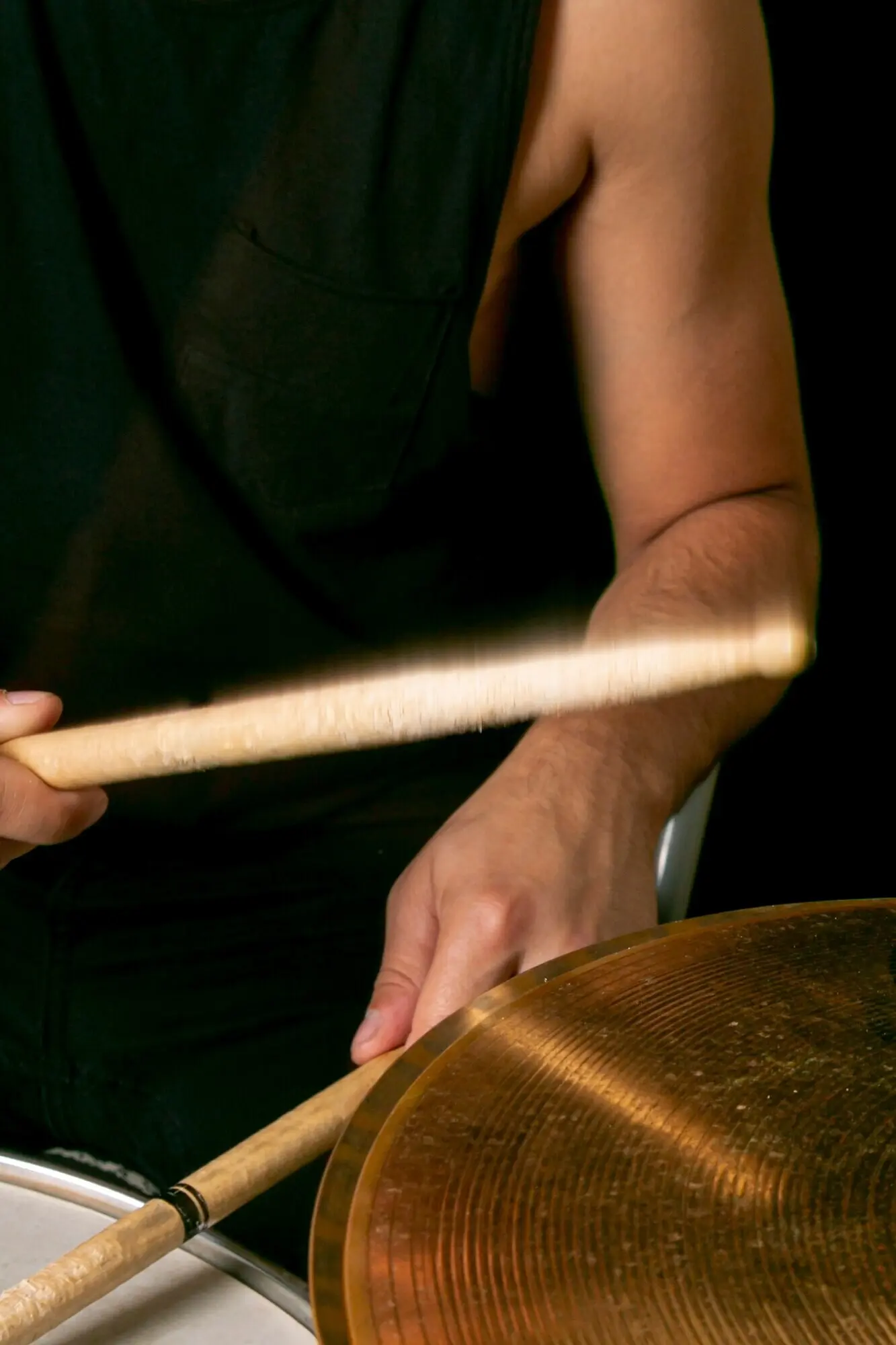
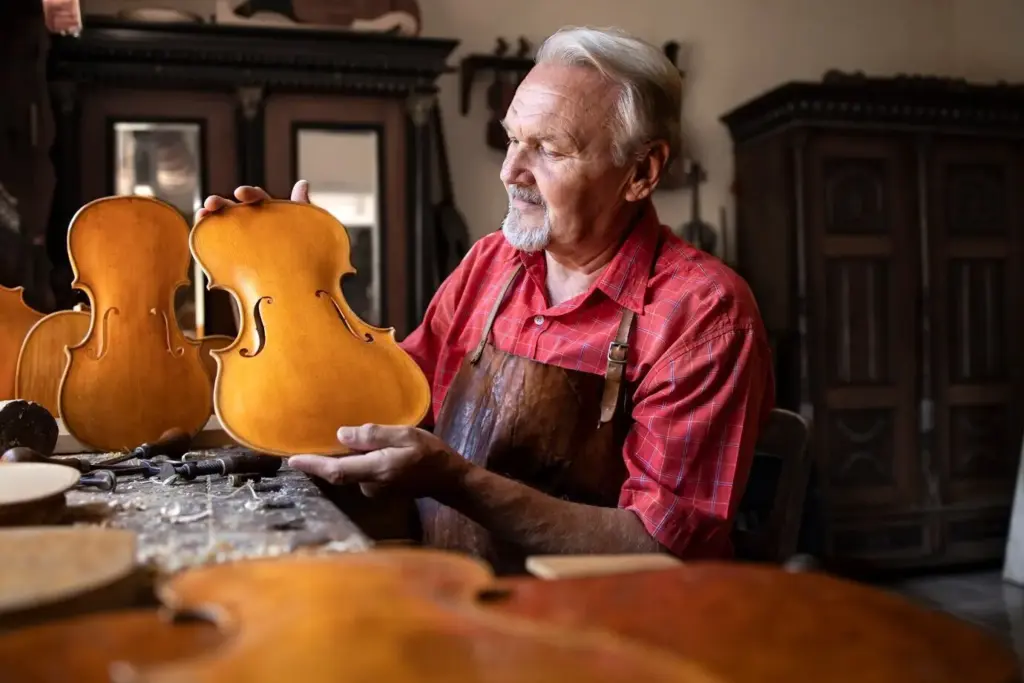


Studio Alchemy: Capturing Authentic Tone
Engineering choices can either flatten character or reveal the living wood, reed, and skin. We favor air, proximity to breath, and rooms with musical decay. Ribbon mics soften edges on oud; small-diaphragm condensers capture kora sparkle without brittleness. We minimize heavy compression, trusting players’ dynamics. Noise becomes part of truth when tastefully framed. Our goal is intimacy that feels like sitting among friends, not behind glass. When playback reveals microtextures—finger pads, bow hair, sighs—we know the melody’s humanity will reach hearts.

A Performance That Travels: From Courtyard to Concert Hall
Live performance invites community. We design sets that begin with breath, lead through rhythmic discovery, and close with soft gratitude. Musicians share short stories about their teachers, shaping context without lecturing. Lighting warms wood and skin tones; staging creates a circle, not a wall. After the final chord, we often repeat the first phrase together, letting audience humming carry it home. Concerts become gatherings where strangers recognize each other through a melody that knows how to listen back.
Try It Yourself: Community, Practice, and Sharing
Start with a Lullaby You Love
Familiar songs carry personal history and accessible contours. Sing it slowly until you find a phrase that makes your chest loosen. Try it on different instruments or virtual libraries, exploring timbres without judgment. Keep arrangement sketches short and focused on breath. Ask a friend from another tradition to improvise a reply. Record everything, even the awkward takes. Later, you’ll hear a path you missed while overthinking. Simplicity invites courage, and courage invites the exact collaborators your melody has been seeking.
Build a Small Circle of Collaborators
Two or three committed partners beat ten casual messages. Share calendars, expectations, influences, and boundaries upfront. Rotate leadership so each rehearsal reflects a different musical worldview. Schedule listening nights to study masters together, naming what moves you and why. Respect time and pay fairly when possible. Celebrate birthdays and breakthroughs. When trust grows, risk-taking grows, and the melody learns to breathe new air without losing its lungs. A small, caring circle becomes the quiet engine of transcultural creativity.
Share Drafts, Invite Stories, Keep Learning
Post snippets, ask specific questions, and thank every response. Invite elders or teachers to annotate a take with voice messages. Offer your stems for community remixing, then highlight versions that teach you something. Attend workshops, credit sources, and update arrangements as your understanding deepens. Add your email to our list, reply with your recordings, and join upcoming livestream feedback sessions. Learning in public turns fear into connection, ensuring the classic you cherish continues gathering new voices without losing its soul.